


Yes, and not just casually. Today’s travellers actively research hotel reviews before booking, and reviews often play a bigger role than price, brand name, or even location. In fact, for many guests, reviews are the deciding factor between clicking “Book Now” or moving on to the next property.
But how guests read reviews might surprise hoteliers.
Guests Start With the Bad Reviews (Not the Good Ones)
One of the biggest patterns across travel platforms, forums, and real guest conversations is this:
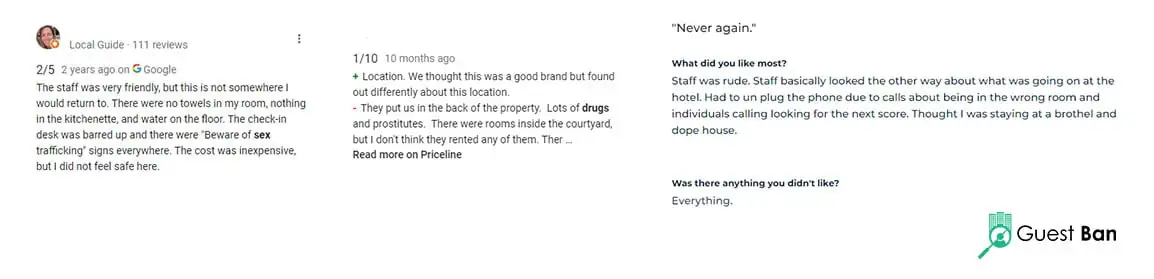 Most people read the negative reviews first.
Rather than being discouraged by a low score alone, guests want context. They scroll straight to 1-star and 2-star reviews to answer a simple question:
Is this hotel poorly managed, or are these just unrealistic complaints?
A closed spa, loud ocean, or lack of free upgrades usually gets ignored. Bed bugs, dirty rooms, broken locks, or repeated staff issues do not.
Guests are filtering for legitimate problems, not perfection.
Recent Reviews Matter More Than Old Ones
A hotel may have hundreds or even thousands of reviews, but guests care most about what’s happening now.
Common guest behaviour includes:
- Sorting reviews by “Most Recent”
- Reading the last 10–20 reviews
- Comparing older complaints to newer responses
- Checking if the same issues keep showing up
A property that struggled two years ago but shows consistent improvement recently often still feels safe to book. A hotel with strong historic ratings but recent complaints raises immediate red flags.
Three-Star Reviews Are Seen as the Most Honest
Interestingly, many travellers skip glowing five-star reviews entirely.
Why?
Because overly positive reviews often feel vague or promotional.
Guests instead trust:
- 3-star reviews that mention both pros and cons
- Neutral, balanced language
- Specific details about cleanliness, noise, parking, or staff behaviour
These reviews help guests set expectations and realistic expectations often lead to better satisfaction during the stay.
Photos Speak Louder Than Words
User-submitted photos are another major trust signal.
Guests look at:
- Bathroom conditions
- Bed and linen quality
- Hallways and elevators
- Exterior lighting and safety
- Actual room size vs marketing photos
Even a hotel with decent ratings can lose bookings if guest photos feel outdated, cluttered, or inconsistent with the listing.
Too Many Perfect Reviews Can Be a Red Flag
Surprisingly, an all-perfect review profile can backfire.
When guests see only “Excellent” and “Good” reviews with no criticism at all, many assume:
- Reviews are being filtered or scrubbed
- Feedback may be incentivised or fake
- The platform isn’t showing the full picture
A mix of good, average, and even a few bad reviews actually builds credibility, as long as serious issues aren’t repeated.
What Guests Are Really Asking When Reading Reviews
Guests aren’t asking:
“Is this hotel perfect?”
They’re asking:
- Is it clean?
- Is it safe?
- Is it managed well?
- Are issues acknowledged and resolved?
- Does it match the price point?
If the answer feels like “yes,” most guests will book, even with a few negative reviews.
Why This Matters for Hotels
Reviews don’t just influence bookings, they shape expectations before guests arrive.
Hotels that:
- Respond professionally to bad reviews
- Address recurring issues
- Show improvement over time
- Encourage honest feedback
tend to perform better long-term than those chasing perfect scores.
In the end, transparency builds trust and trust drives bookings.
Final Takeaway
Guests absolutely check reviews before staying at a hotel and they read them strategically.
They focus on:
- Recent reviews
- Negative feedback first
- Patterns, not outliers
- Real photos and detailed experiences
For hotels, this means reputation management isn’t about hiding bad reviews, it’s about showing accountability, consistency, and improvement.
That’s what today’s guests are really looking for.